Posted by John Bailey
Filed in Arts & Culture 36 views
High blood pressure affects many adults worldwide and often develops silently over time. It increases the risk of heart disease, stroke, and kidney problems if not managed properly. Many people rely only on medication, but lifestyle plays a major role in control and prevention.
Daily habits directly influence how the heart and blood vessels function. Small changes can reduce pressure levels and improve long-term health outcomes. Doctors often recommend combining medical treatment with healthy routines for better results.
Understanding how lifestyle affects blood pressure helps patients take control earlier. In many clinical discussions, managing hypertension naturally highlights how consistent daily choices support long-term stability and reduce complications.
This blog explains practical lifestyle changes that help control blood pressure in simple terms.
Lifestyle choices influence almost every system in the body, including heart health. Blood pressure responds directly to diet, activity levels, stress, and sleep quality. When these factors are unhealthy, pressure levels often rise over time.
The heart works harder when arteries become narrow or stiff. Poor habits increase this strain and make blood flow less efficient. Over time, this leads to chronic hypertension.
Lifestyle changes do not replace medical treatment, but they strongly support it. Many patients achieve better control when they improve daily habits along with prescribed medication.
Doctors often focus on lifestyle first because it reduces long-term risk and improves overall health.
Food choices have a direct impact on blood pressure levels. A balanced diet supports healthy blood flow and reduces strain on the heart.
High salt intake is one of the main causes of increased blood pressure. Salt causes the body to retain water, which increases blood volume and pressure.
Processed foods often contain hidden sodium. Reducing these foods helps lower pressure gradually. Fresh meals with natural ingredients support better control.
Fruits and vegetables contain potassium, fiber, and antioxidants. These nutrients help balance sodium levels and support healthy arteries.
Regular intake improves blood vessel flexibility and reduces pressure buildup.
Processed foods often contain unhealthy fats, salt, and sugar. These ingredients increase long-term cardiovascular risk.
Cooking at home allows better control over ingredients and portion sizes. This supports healthier blood pressure levels.
Regular physical activity strengthens the heart and improves blood flow. It helps reduce pressure inside arteries and supports overall cardiovascular health.
Simple activities like walking help improve circulation. They reduce stiffness in blood vessels and support heart efficiency.
Even 30 minutes of daily walking can improve blood pressure control over time.
Light strength training improves muscle health and metabolism. It supports better weight control, which also affects blood pressure.
Stretching and flexibility exercises reduce stress on the body and improve circulation.
Consistency matters more than intensity. Regular movement helps maintain stable blood pressure levels.
Long gaps between activity reduce long-term benefits.
Body weight plays a strong role in blood pressure regulation. Excess weight increases strain on the heart and arteries.
When the body carries extra weight, it requires more blood to supply oxygen and nutrients. This increases pressure inside blood vessels.
Losing even a small amount of weight can improve blood pressure levels. It also reduces the risk of related conditions like diabetes and heart disease.
Healthy weight management focuses on balanced diet and regular activity rather than extreme changes.
Doctors often see significant improvement in patients who achieve gradual and stable weight loss.
Stress has a direct impact on heart health. When a person experiences stress, the body releases hormones that temporarily increase blood pressure.
Long-term stress keeps the body in a constant alert state. This increases heart rate and keeps blood pressure elevated for longer periods.
Over time, this can lead to chronic hypertension if not managed properly.
Simple relaxation methods help reduce stress levels. Deep breathing, meditation, and quiet time can lower heart rate and pressure.
These practices support emotional balance and improve physical health.
A structured routine helps reduce mental pressure. Regular sleep, planned meals, and time for relaxation improve overall stability.
Routine reduces sudden stress spikes that affect blood pressure.
Sleep plays a key role in heart health. Poor sleep affects how the body regulates stress and blood pressure.
When sleep is irregular or insufficient, blood pressure often stays elevated. The body does not get enough time to recover and regulate internal systems.
Sleep disorders like sleep apnea can also increase risk. These conditions reduce oxygen levels during sleep and increase strain on the heart.
Improving sleep quality helps stabilize blood pressure naturally. A consistent sleep schedule and a calm environment support better rest.
Certain habits increase blood pressure and reduce treatment effectiveness. Avoiding these habits supports better long-term control.
Excess alcohol raises blood pressure over time. It affects heart rhythm and weakens vascular health.
Limiting alcohol helps improve overall cardiovascular stability.
Smoking damages blood vessels and reduces oxygen flow. It increases pressure and raises long-term heart risk.
Quitting smoking significantly improves blood pressure and heart health.
Too much caffeine may temporarily raise blood pressure. Moderation helps maintain stable levels throughout the day.
Monitoring blood pressure helps track progress and detect changes early. Many people do not feel symptoms even when pressure is high.
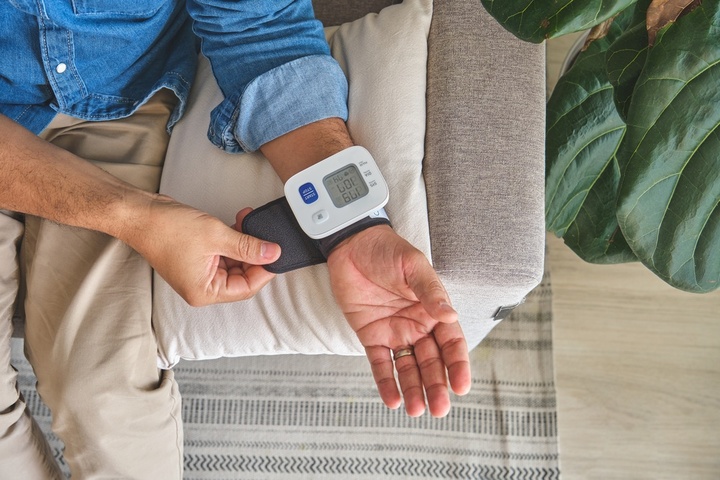
Regular checks help identify patterns and guide lifestyle adjustments. Home monitoring devices make tracking easier and more consistent.
Doctors use readings to adjust treatment plans and recommend lifestyle improvements.
Consistent monitoring improves awareness and supports long-term control.
Lifestyle changes play a major role in controlling high blood pressure and improving heart health. Diet, physical activity, weight management, stress control, and sleep quality all influence how the cardiovascular system functions. Small daily improvements can lead to meaningful long-term benefits. These changes work best when combined with medical guidance and regular monitoring.
Consistency matters more than perfection, and gradual improvements often produce better results than sudden changes. Understanding how lifestyle affects blood pressure helps patients take early action and reduce long-term risks.
Ongoing medical progress and awareness continue to improve prevention strategies and patient outcomes. Research continues to expand understanding through blood pressure research studies.

Choose a test user to login and take a site tour.